
Our Location
304 North Cardinal St.
Dorchester Center, MA 02124

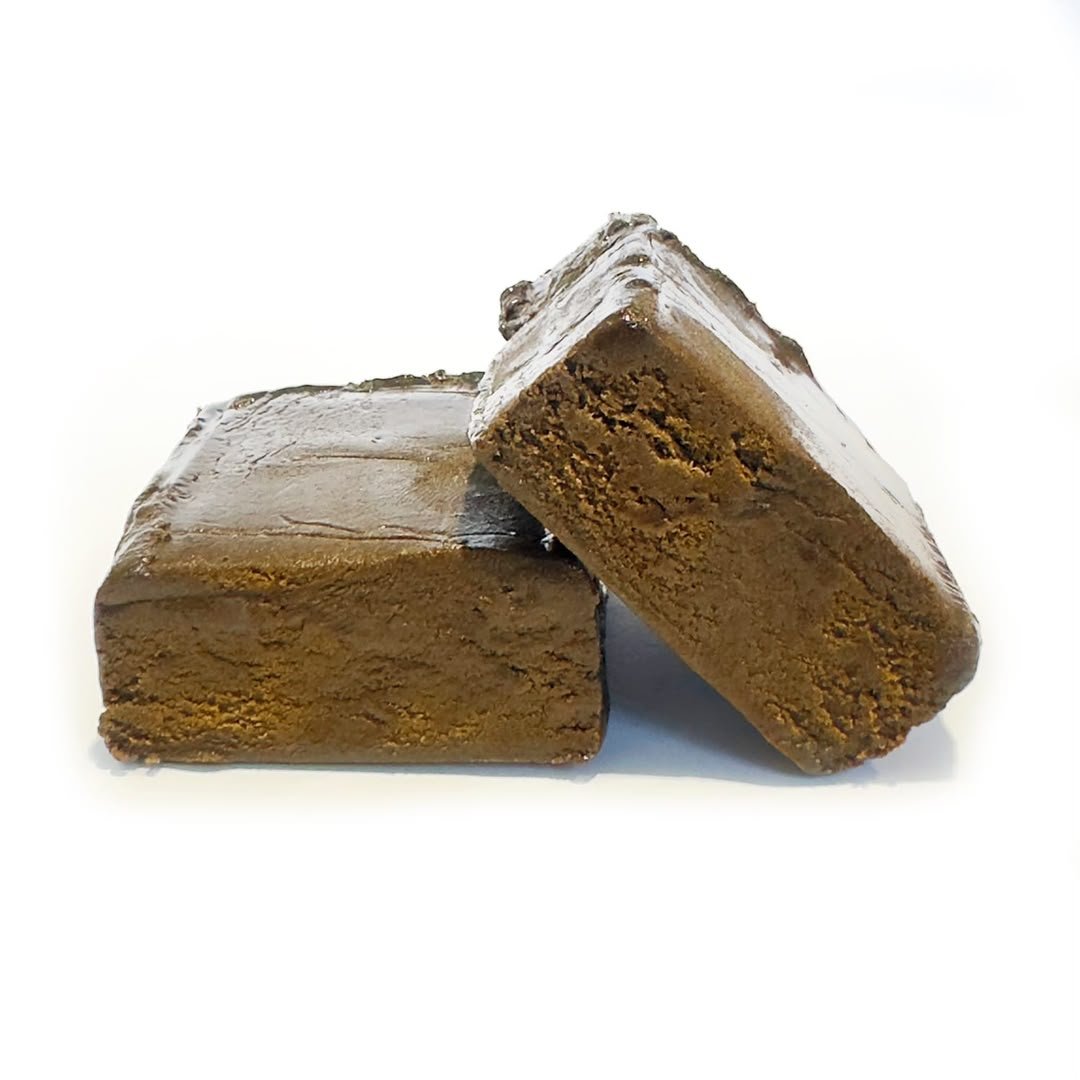
Moroccan Hashish: History, Culture, and Craft
A Tradition Centuries in the Making
Long before modern extraction methods and dab rigs, hashish was already one of the world’s oldest cannabis concentrates. Morocco — particularly the Rif Mountains in the north of the country — has been at the center of that tradition for generations. The region’s climate, elevation, and generations of cultivation knowledge have made it one of the most historically significant hash-producing areas on earth, alongside regions like Afghanistan, Lebanon, and India.
Hashish itself is simply concentrated cannabis resin — the trichomes separated from the plant material and compressed into a solid form. What makes Moroccan hash distinctive is less about the concept and more about the specific plants, climate, and generational technique behind it.
The Rif Mountains: Geography Shapes the Product
The Rif region’s terraced hillsides, cool nights, and specific soil composition have made it ideal for growing cannabis landrace varieties suited to resin production. Many of the plants grown here trace back to landrace genetics cultivated in the area for decades — strains bred not for flashy bag appeal but for high resin output and resilience in mountain conditions.
Farming families in villages like Ketama and Chefchaouen have passed down cultivation knowledge across generations, making hash production as much a cultural inheritance as an agricultural one.
Traditional Sieving Method
Classic Moroccan hash — sometimes just called “Moroccan” or historically associated with terms like “Zero Zero” (0*0) for the finest grade — is traditionally made using a **dry sieve method**. Dried cannabis flower is gently agitated over a series of progressively finer silk or mesh screens. This process separates the resin glands (trichomes) from the plant material through friction and sifting alone, without solvents or heat.
The resulting powder — often called **kief** in its raw form — is then pressed, kneaded, and sometimes gently warmed to bind it into the dense, moldable blocks associated with traditional hash.
Grades are typically distinguished by:
– **Sieve pass number** — earlier passes yield finer, more resin-rich powder; later passes are coarser and less pure
– **Color** — ranging from pale blonde to deep brown, often correlating with plant material contamination and purity
– **Texture** — finer grades tend to be softer and more pliable when warmed between the fingers
Aroma and Flavor Profile
Traditional Moroccan hash carries a distinct sensory signature shaped by both its landrace genetics and its processing method:
– **Earthy, herbal** base notes
– **Spicy, sometimes slightly sweet** undertones
– A **dusty, dry** quality on the exhale, distinct from solvent-based modern concentrates
– Occasional **floral or hay-like** nuances depending on the specific harvest
Because sieved hash retains a broad spectrum of the plant’s original terpene and cannabinoid profile, its character can vary meaningfully from batch to batch and region to region — much like wine reflects its terroir.
A Product Shaped by Time and Skill
Quality Moroccan hash is often judged by:
– **Meltability** — how cleanly it softens and melts when heat is applied, an indicator of resin purity
– **Color consistency** — uniform coloring generally suggests careful sieving and minimal plant contamination
– **Aroma strength** — a pronounced, complex scent typically signals a well-preserved terpene profile
– **Texture** — pliability without excessive stickiness or crumbliness is often prized in traditional grading
Cultural and Economic Significance
Hash production has shaped both the economy and culture of northern Morocco for decades. For many rural communities in the Rif, it has historically represented one of the few reliable sources of income, given the region’s mountainous terrain and limited agricultural alternatives. This economic reality has made the craft deeply woven into local identity — passed down through families much like winemaking traditions in other parts of the world.
In recent years, Morocco has also moved toward legal regulation of cannabis cultivation for medicinal and industrial purposes, marking a significant shift for an industry that operated in legal gray areas for generations. This has opened discussion around formalizing and modernizing a craft that remains, at its core, deeply traditional.
Why It’s Still Relevant Today
In a market increasingly dominated by solvent-based extracts, rosin, and lab-engineered concentrates, traditional dry-sieve hash represents something different: a method largely unchanged for generations, reliant on skill, patience, and quality plant material rather than technology. For those interested in the history of cannabis concentrates, Moroccan hash offers a direct link to some of the oldest known methods of resin separation still practiced today.
—
